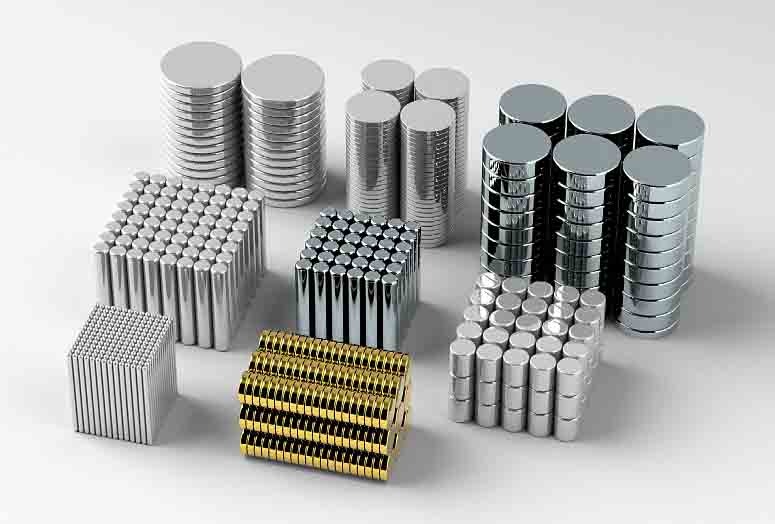
Neodymium magnets have quietly become one of the most important materials in modern technology. They are small, incredibly strong, and used in everything from everyday gadgets to advanced medical equipment. Understanding how they work and where they are used makes it easier to see why they are so widely relied on today.
What Makes Neodymium Magnets So Powerful
Neodymium magnets are a type of rare earth magnet made from an alloy of neodymium, iron, and boron. What makes them stand out is their magnetic strength. Compared to traditional magnets like ferrite or alnico, neodymium magnets can produce a much stronger magnetic field while staying compact and lightweight.
This strength comes from their internal crystal structure, which allows them to hold their magnetic alignment even under stress or temperature changes. They also resist demagnetization better than many other magnet types, meaning they last longer and perform more consistently. Because of this combination of strength and durability, neodymium magnets are considered the strongest permanent magnets available today.
A Quick Look at the History of Magnetism
Magnetism has been known for thousands of years, starting with early discoveries of lodestone in ancient civilizations. Over time, people learned to use magnetic properties for navigation, most famously with the compass. Scientific understanding grew steadily through the Renaissance and into the modern era, eventually leading to the development of electric motors and generators.
Neodymium magnets arrived much later, becoming commercially available in the 1980s. Their introduction marked a major shift, allowing industries to build smaller, more efficient devices without sacrificing performance. Since then, neodymium magnets have become a core component in modern electronics, renewable energy systems, and transportation technologies.
How Neodymium Magnets Are Used Today
One of the most common uses of neodymium magnets is in electronics. Headphones, speakers, smartphones, and laptops all rely on them to deliver strong performance in compact designs. In data storage, they play a key role in hard drives by helping read and write information accurately and efficiently.
They are also essential in electric motors, which are found in appliances, power tools, and electric vehicles. The efficiency of neodymium magnets helps reduce energy loss, making motors smaller and more powerful at the same time. This is one reason they are so important in clean energy technologies like wind turbines and electric transportation.
Outside of electronics, neodymium magnets are widely used in medical equipment. MRI machines depend on extremely strong magnetic fields to create detailed images of the body, and neodymium magnets help make that possible. They are also used in medical devices such as pumps, implants, and prosthetics, where reliability and precision matter.
In manufacturing and automation, these magnets support robotics, conveyor systems, and magnetic holding tools. Their strength and consistency help improve speed, accuracy, and safety across production lines.
How to Choose the Right Neodymium Magnet
Neodymium magnets come in different grades, usually labeled with an “N” followed by a number like N35 or N52. The higher the number, the stronger the magnet. Choosing the right grade depends on how much holding force your application needs and the space available.
Size also matters. A smaller magnet can still be extremely strong, but industrial applications often require larger magnets to handle heavier loads. Manufacturer specifications are helpful for comparing strength, size, and performance before making a decision.
Most neodymium magnets are coated to protect them from corrosion. Common coatings include nickel, epoxy, or plastic. The right coating depends on where the magnet will be used, especially if moisture or frequent handling is involved.
Safety is important too. Neodymium magnets can snap together with enough force to cause injury or damage nearby objects. Careful handling, proper spacing, and awareness of sensitive electronics or medical devices are essential.
Creative and DIY Uses for Neodymium Magnets
Neodymium magnets are popular in DIY projects because they are easy to work with and incredibly versatile. In workshops and garages, they are often used to create magnetic tool holders that keep tools organized and within reach.
In the kitchen, they can be used for magnetic spice racks, knife holders, or storage systems that save space and improve visibility. These simple projects combine practicality with a clean, modern look.
Artists and hobbyists also use neodymium magnets in creative ways. They can be hidden inside artwork, used in movable displays, or added to handmade items like bookmarks, photo frames, or custom organizers. Their strength allows for clean designs without visible fasteners.
Final Thoughts
Neodymium magnets may be small, but their impact is massive. From powering advanced technology to inspiring creative home projects, they play a key role in both industrial and everyday applications. By understanding how neodymium magnets work, how to choose them, and how to use them safely, it becomes easier to unlock their full potential in practical and innovative ways.
