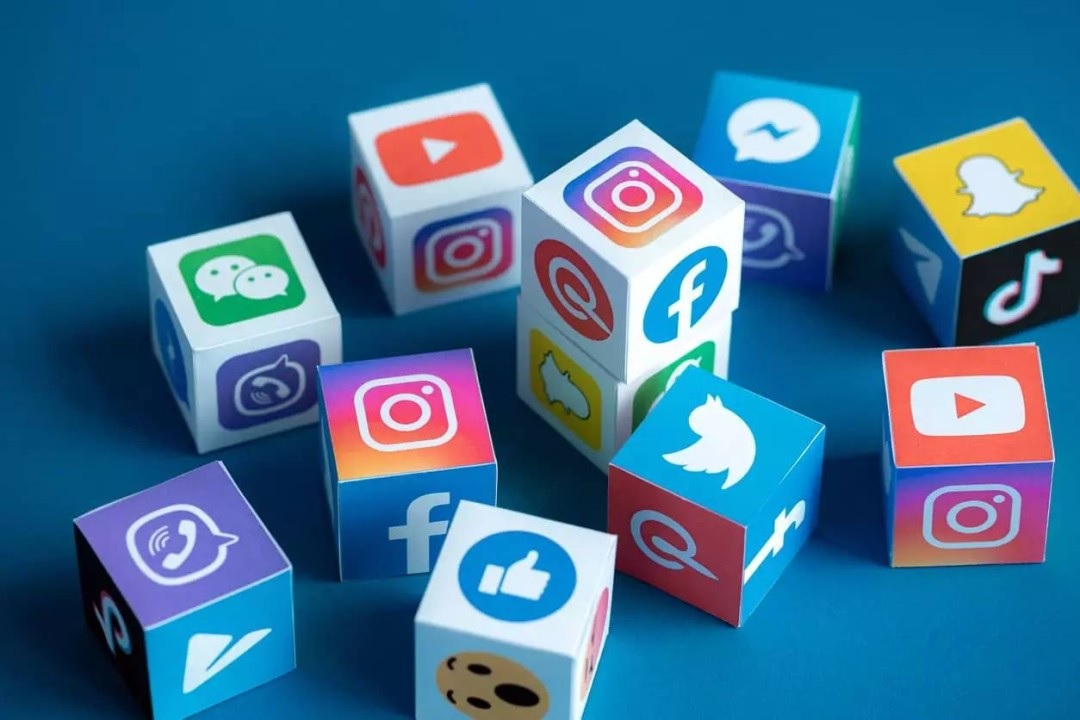
In the last two decades, social media has transformed the way we communicate, share information, and gamble on https://www.kingjohnnie1.com/en/real-money-casino. Platforms like Facebook, Twitter, Instagram, and TikTok have become integral to our daily lives, shaping our relationships, opinions, and even our sense of self. With billions of users worldwide, social media serves as a powerful tool for connection and expression, offering opportunities for engagement that were unimaginable just a few generations ago. However, this rapid growth has sparked a complex debate about its implications for society, raising questions about the benefits and drawbacks of our increasingly digital lives.
On one hand, social media provides unparalleled opportunities for connection and community-building. It allows individuals to share their thoughts, experiences, and talents with a global audience, fostering a sense of belonging among diverse groups. Social media has also emerged as a vital platform for social movements, enabling people to mobilize and advocate for change. Movements like #MeToo and Black Lives Matter have gained momentum through social media, amplifying voices that may have otherwise gone unheard and raising awareness of critical social issues.
Moreover, social media serves as a valuable source of information and education. Users can access news, tutorials, and expert opinions at their fingertips, empowering them to stay informed about current events and trends. For businesses, social media offers an effective marketing tool, allowing brands to engage with consumers directly and build loyal communities around their products.
However, the impact of social media is not solely positive. One significant concern is the spread of misinformation. The rapid dissemination of unverified information can lead to confusion and mistrust, particularly during critical events such as elections or public health crises. This phenomenon can distort public perception and influence behavior in harmful ways.
Additionally, social media can contribute to mental health issues, particularly among younger users who also visit cookie-clicker2.co. The pressure to curate a perfect online persona often leads to anxiety, depression, and feelings of inadequacy. The constant comparison to others’ seemingly perfect lives can erode self-esteem and create a toxic environment where users feel compelled to seek validation through likes and shares.
Cyberbullying is another alarming consequence of social media. The anonymity and distance provided by online platforms can embolden negative behavior, leading to harassment and emotional distress for victims.
In conclusion, social media’s influence on society is multifaceted, encompassing both significant benefits and notable drawbacks. While it fosters connection, activism, and access to information, it also poses challenges related to misinformation, mental health, and online harassment. As society continues to navigate this digital landscape, understanding the complex dynamics of social media will be crucial in harnessing its potential while mitigating its risks. Balancing the pros and cons of social media will ultimately shape how we engage with these platforms and each other in the years to come.
