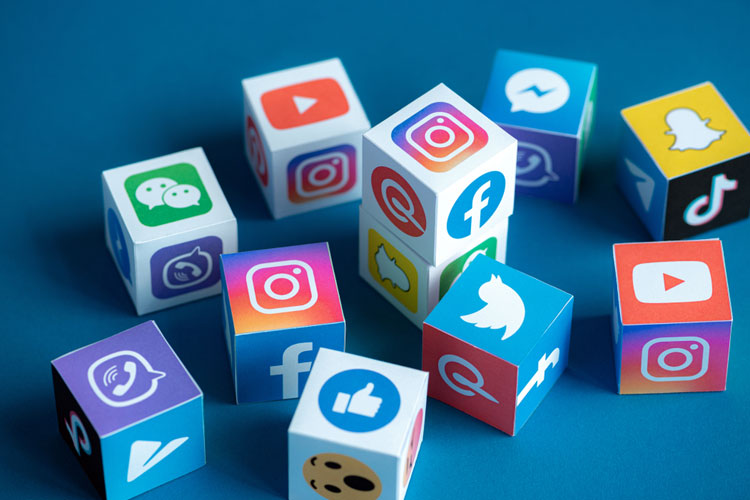
Understanding Social Media in the Modern World
Social media refers to digital platforms and tools that allow people to create, share, and exchange content in real time. What began as a simple way to stay in touch has evolved into a powerful ecosystem shaping communication, business, culture, and even public opinion.
At its core, social media thrives on interaction—comments, shares, reactions, and conversations that blur the line between content creators and audiences.
How Social Media Has Changed Communication
Social media has transformed how individuals and organizations communicate by removing traditional barriers such as distance, time, and gatekeeping.
Key changes include:
- Instant connectivity across the globe
- Two-way communication instead of one-sided messaging
- Visual-first storytelling through images and short videos
- Real-time feedback via comments and reactions
This shift has made communication more conversational, informal, and immediate than ever before.
The Role of Social Media in Business and Branding
Businesses now rely on social media as a core component of their marketing and customer engagement strategies. A strong social presence helps brands stay visible, relatable, and responsive.
Major business benefits include:
- Brand awareness through consistent content visibility
- Direct customer engagement without intermediaries
- Cost-effective marketing compared to traditional advertising
- Audience insights based on engagement and behavior
Small businesses, in particular, benefit from the ability to compete with larger brands on creativity rather than budget alone.
Social Media and Society
Beyond business, social media plays a significant role in shaping society. It influences how people form opinions, discover information, and participate in social movements.
Positive social impacts:
- Amplifies underrepresented voices
- Encourages community building around shared interests
- Enables rapid information sharing during emergencies
Challenges to consider:
- Spread of misinformation
- Privacy concerns and data misuse
- Impact on mental health, especially among younger users
The social influence of these platforms makes digital responsibility increasingly important.
Content Creation and the Rise of Personal Brands
Social media has given rise to a new class of content creators who build personal brands around expertise, lifestyle, or creativity. Consistency, authenticity, and value-driven content are key to sustaining long-term growth.
Successful content typically:
- Solves a specific problem
- Tells a relatable story
- Encourages interaction and discussion
- Maintains a clear voice and identity
This shift has redefined influence, making trust and credibility more valuable than follower counts alone.
The Future of Social Media
Social media continues to evolve alongside technology and user expectations. Trends point toward more immersive, personalized, and community-focused experiences.
Emerging directions include:
- Short-form and interactive content
- Private communities over public feeds
- Greater transparency around data usage
- Integration with AI tools for content and moderation
As platforms evolve, users and brands alike must adapt to stay relevant and responsible.
FAQs About Social Media
1. Is social media more beneficial or harmful?
Social media offers significant benefits when used intentionally, but excessive or uncritical use can create negative effects. Balance and awareness are key.
2. How often should individuals use social media?
Usage should align with personal goals and well-being. Setting time limits and purpose-driven use helps prevent burnout.
3. Can social media help with career growth?
Yes, when used strategically, social media can support networking, skill-sharing, and professional visibility.
4. What skills are important for effective social media use?
Content planning, communication, critical thinking, and digital literacy are essential for meaningful engagement.
5. How does social media influence purchasing decisions?
User reviews, recommendations, and relatable content often influence buying behavior more than traditional ads.
6. Is privacy still possible on social media?
Privacy is achievable with mindful sharing, strong settings management, and awareness of platform policies.
7. Will social media continue to grow in importance?
While its form may change, social media is likely to remain a central part of digital communication and culture.
